

Catfish/Catfish isn’t isn’t just a fish or a fishing term it’s also a scam, Phishing or Catfhishing is basically somone pretending to be someone else to get something out of usallly money. The act of Catfishing in scamming terms has been around since the internet started and started getting more advanced but the tearm Catfishing has only been around for 14 years.
What is catfishing?
Catfishing is the act of lying about one’s real identity to mislead someone looking for romance on the internet. The catfisher will lie about their gender, age, or location and then use social engineering techniques to extort money or solicit information that can lead to identity theft. Catfishing online can occur in any situation where there is no trustworthy third party to verify the person’s identity.
Why is it called catfishing?
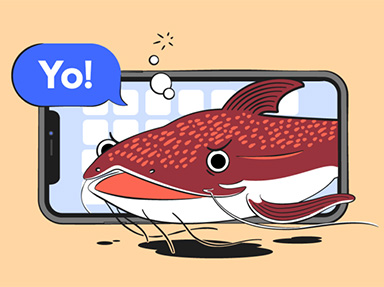
The term “catfishing” originates from the 2010 documentary Catfish about a romance scam on social media. The catfishing definition refers to the use of catfish in the fishing industry to chase live cod during shipping to ensure better-quality fish by keeping them active.
Catfishing warning signs
Too good to be true
Attention from a highly successful person feels really good. Catfishers want to lure people in, right? That’s why they often look like stunningly handsome people with high-paying jobs. Maintain a healthy amount of doubt when talking to someone new. If you don’t find yourself relating to them personally, you should doubt them.
They have everything in common with you
You can also relate to someone too much. Catfishers will often try to forge a fake connection with you by feigning similar interests and life experiences that make you feel understood and accepted. When someone focuses excessively on you or purports to share practically everything in common with you, they’re likely trying to manipulate you emotionally.
Deeply personal and over-the-top
People naturally crave connection. So, when faced with the prospect of opening up, you might find yourself responding very strongly. And this is another way catfishers try to maliciously tug at your heartstrings. Once you’ve shared deeply personal things, it builds a false feeling of trust and makes you more likely to fall for scams.
The relationship moves fast
They might start making plans about how you’ll live together and how you’ll spend your time as a couple. Eventually, they’ll ask you to invest in some stocks. You think the website looks shady, but nobody’s ever been this nice to you before and you’ve been telling your friends you think you’ve found your soulmate.
Little presence on social media
Many Instagram users also have Twitter or other social media accounts, so you can verify that a person is real by looking across different platforms. Catfishers want to leave as little of a breadcrumb trail as possible, so they likely won’t have any other social media accounts.
A new or recently created profile
If the profile has little to no activity on it, it was probably created for the sole purpose of tricking others. A bio with strange, unnatural language is usually a telltale sign. You can go one step further and check their friends and their interactions on the platform. A lack of friends and photos indicates a fake account.

A example of catfishing
One of the most famous examples of catfishing on social media or dating apps is the Tinder Swindler, about whom a Netflix documentary was made. He convinced women on Tinder that he was the son of a billionaire, concocting exciting stories of wealth and intrigue. Through his bogus profile and stories, he conned numerous women out of an estimated total of $10 million.